Introduction: The Three Pillars of Green Transformation
The global energy transition is no longer limited to the physical installation of solar panels. It has evolved into a sophisticated convergence of digital finance, global environmental policy, and innovative service-based business models. Next Eco Wave (PVT) LTD, a subsidiary of South Korea's Next Solar Energy Co., Ltd, is spearheading this transformation. By integrating Security Token Offerings (STO), Carbon Emission Trading platforms, and the ESCO (Energy Service Company) model, the company is dismantling the barriers to renewable energy adoption.
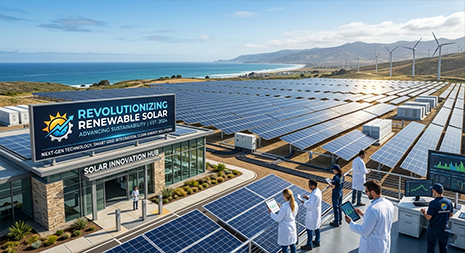
Figure 1: Large-scale ESS integration for grid stabilization.
Figure 1: The Next Eco Wave Holistic Sustainable Ecosystem.
1. Security Token Offering (STO): Democratizing Energy Assets
One of the most significant challenges in the solar industry is the "liquidity gap." Large-scale solar power plants are high-value, long-term assets that typically require massive institutional capital. Next Eco Wave is disrupting this through a blockchain-based Security Token Offering (STO) platform. This initiative allows for the fractionalization of solar assets, making them accessible to small-scale investors.
The STO Process:
- Asset Assessment: Rigorous evaluation of the solar plant's power generation capacity and remaining lifecycle.
- Trust Placement: The physical power plant is placed into a legal trust to secure its value.
- Tokenization: Issuance of tokenized securities on a blockchain, representing a share of the plant's revenue and value.
This model provides transparency and security. Unlike traditional investments, tokenized securities can be traded on secondary markets, providing liquidity to investors who previously would have been locked into multi-year commitments. For Next Eco Wave, this opens up new capital streams to fund massive projects like the 75MW solar initiative with the Sri Lanka Tourism Development Authority (SLTDA).
2. Carbon Emission Trading: Navigating the Global Green Market
As the world aligns with the Paris Agreement, "Carbon" has become a new global currency. Next Eco Wave’s new business division features a dedicated department focused on building platforms for foreign cooperation in carbon emission trading.
International Synergy
Leveraging their experience in "greenhouse gas international reduction projects"—such as methane recovery in Vietnam—Next Eco Wave is creating a bridge for Sri Lankan and South Korean entities to participate in global carbon markets.
Market Mechanism
By quantifying the carbon offset of their 150MWh ESS and 75MW solar projects, they generate credits that can be traded to corporations needing to meet emission permits.
The company is actively developing a platform where these permits can be traded transparently. This not only provides an additional revenue stream for solar plant operators but also assists the government of Sri Lanka and international partners in meeting their ESG (Environmental, Social, and Governance) requirements.
3. The ESCO Business: Zero-Down Green Energy
Many businesses, particularly in the tourism sector, face capital expenditure (CAPEX) constraints that prevent them from adopting solar energy. Next Eco Wave solves this through its ESCO (Energy Service Company) model—a subscription-based service designed to reduce electricity bills without the burden of ownership costs.
- Subscription-Based Savings: Clients pay a monthly fee that is significantly lower than their current electricity bills, ensuring immediate cash-flow benefits.
- ESG Compliance: Hotels and factories can immediately claim green energy usage, satisfying international travel agency requirements and ESG audits.
- Greenhouse Gas Permits: The ESCO model directly helps businesses manage and reduce their carbon footprint, staying ahead of local and international environmental regulations.
"Our ESCO model is designed to take the 'financial risk' out of sustainability. We provide the technology, the maintenance, and the performance; our clients simply enjoy the lower bills and a cleaner conscience."
Strategic Global Footprint
Next Eco Wave's success is rooted in its Major Performance Record. With a target of 20 Million USD in sales for 2025, the company has already completed over 35 major solar installations across South Korea and is expanding rapidly in Sri Lanka. Their partnerships with Hansol Technics and financing through DFCC Bank provide the technical and financial backbone required for these advanced business models.
Figure 2: Global presence and expansion roadmap.
The Convergence: A Circular Economy
The true power of Next Eco Wave lies in how these three elements—STO, Carbon Trading, and ESCO—work together. An ESCO project reduces a hotel's electricity bill. The solar plant used for that hotel is tokenized via an STO, allowing local residents to invest in it. The carbon reduced by the project is then traded on the international platform. This is more than a business plan; it is a Circular Green Economy.
By leveraging ISO 9001 certified management and specialized design departments, Next Eco Wave ensures that every kilowatt-hour produced contributes to both economic prosperity and environmental restoration. As they continue to expand their 75MW project in Sri Lanka, the company stands as a beacon for how technology can be used to protect our planet for future generations.